Today's Fact
Winning his freedom in an American courtroom bought Bucky Barnes exactly one thing: a second trial, in the country that had built the Winter Soldier.
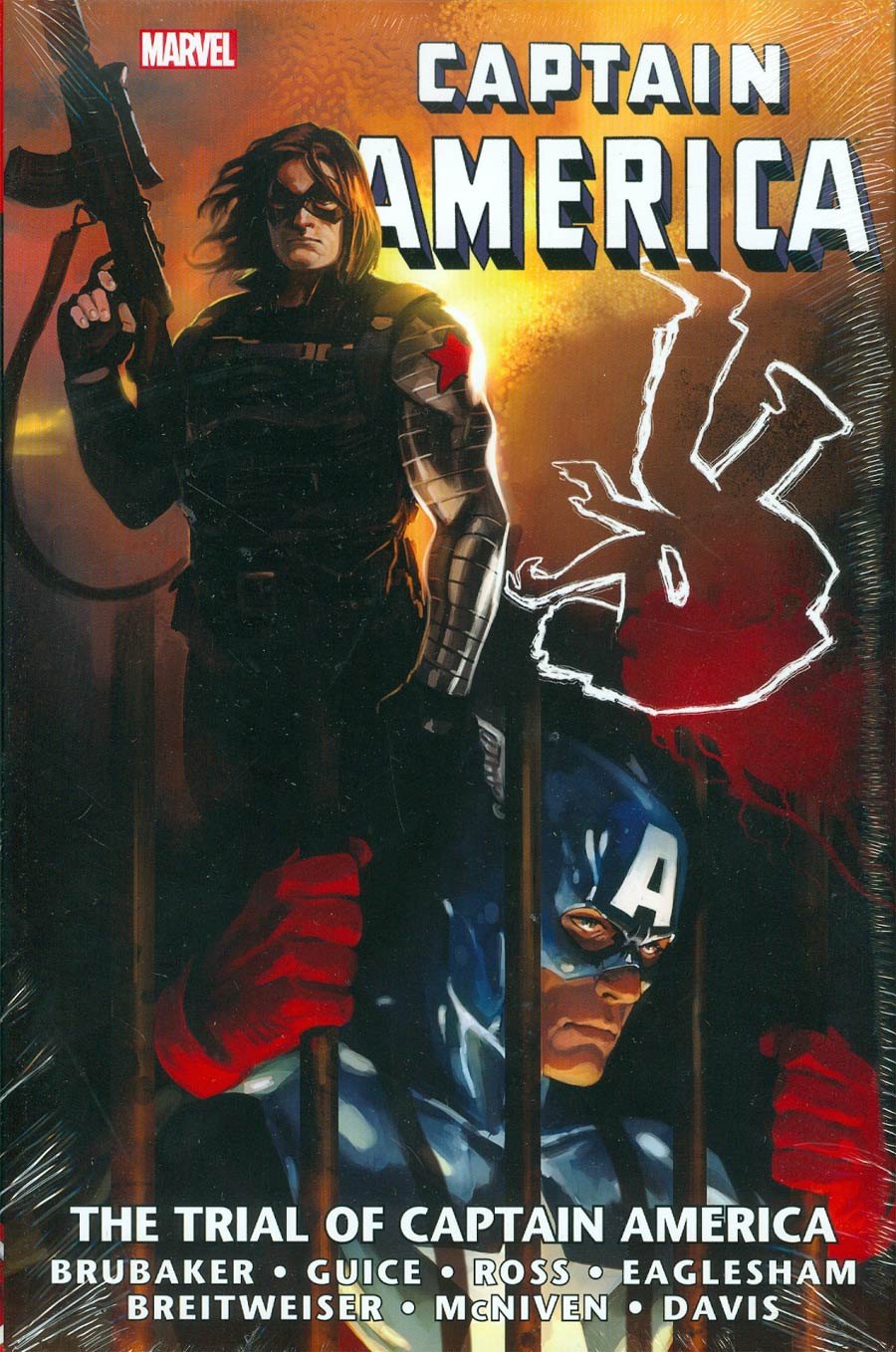
When Baron Zemo leaked Bucky Barnes’s identity to the world, the man wearing Captain America’s uniform became a wanted defendant. In Captain America Vol. 5 #611–616 (2010–2011), “The Trial of Captain America,” Bucky refused to run: he surrendered himself to face charges for the assassinations he had committed while brainwashed as the Winter Soldier.
The American case ended in his favour — but freedom lasted one phone call. Russia had already tried him in absentia for Winter Soldier crimes on its own soil, and it demanded its prisoner. Bucky was extradited to a Russian gulag, in Captain America Vol. 5 #617–619, “Prisoner of War.”
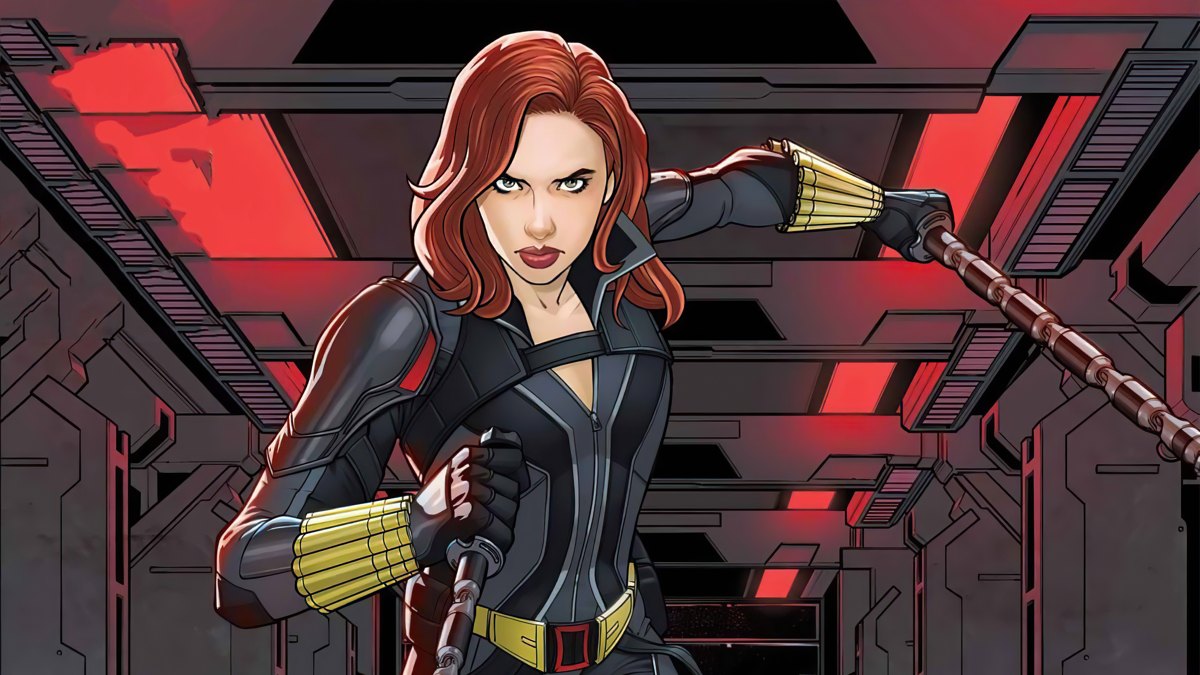
The gulag was not a random posting. Its cells held Soviet-era operatives and super-criminals the Winter Soldier himself had put away — men with decades-old grudges and nothing to lose — while Steve Rogers, Sharon Carter and the Black Widow dug into the conviction from outside, hunting the conspiracy that had arranged it.
Why It's Obscure
Heroes get medals for the missions they remember. Bucky got two courtrooms and a prison full of his own arrests for the ones he was never allowed to forget.
Gallery
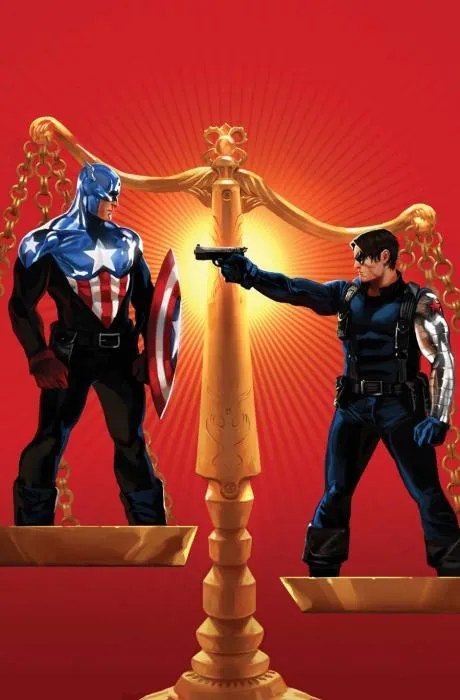
The Trial of Captain America collection cover, the scales-of-justice cover weighing Bucky’s two lives, and the Black Widow who investigated his conviction.
Sources
Every fact on this page was checked against at least two independent sources before publication.
Bullpen Bulletins
- Captain America Vol. 5 #611 — Marvel Database The Database’s issue entry opens The Trial of Captain America: Bucky’s exposure and his decision to surrender and face his past.
- The Trial of Captain America Omnibus — The Slings & Arrows The review confirms the arc’s shape: the trial, its conclusion, and the Russian gulag epilogue that followed in Prisoner of War.