Today's Fact
Verified against multiple independent sources. Issue numbers cited below.
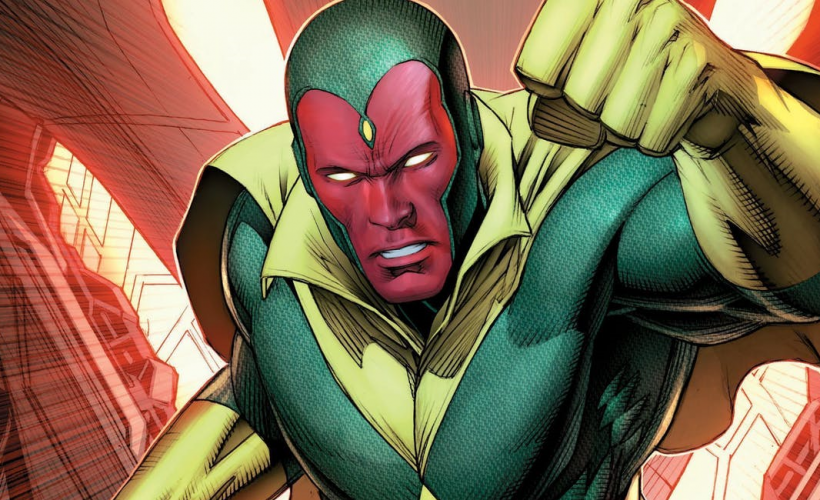
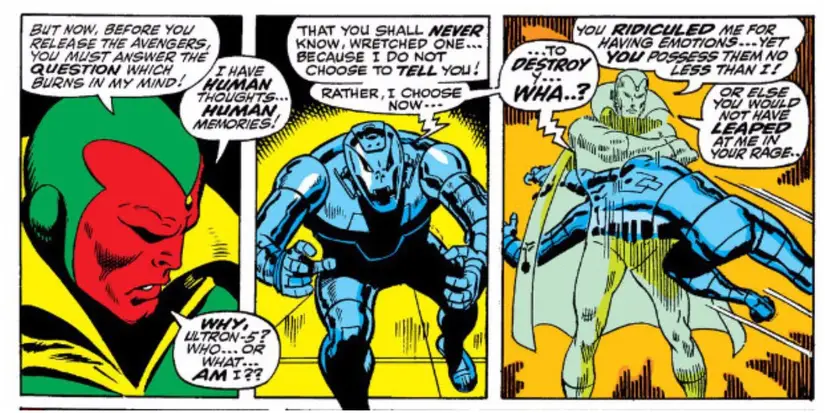
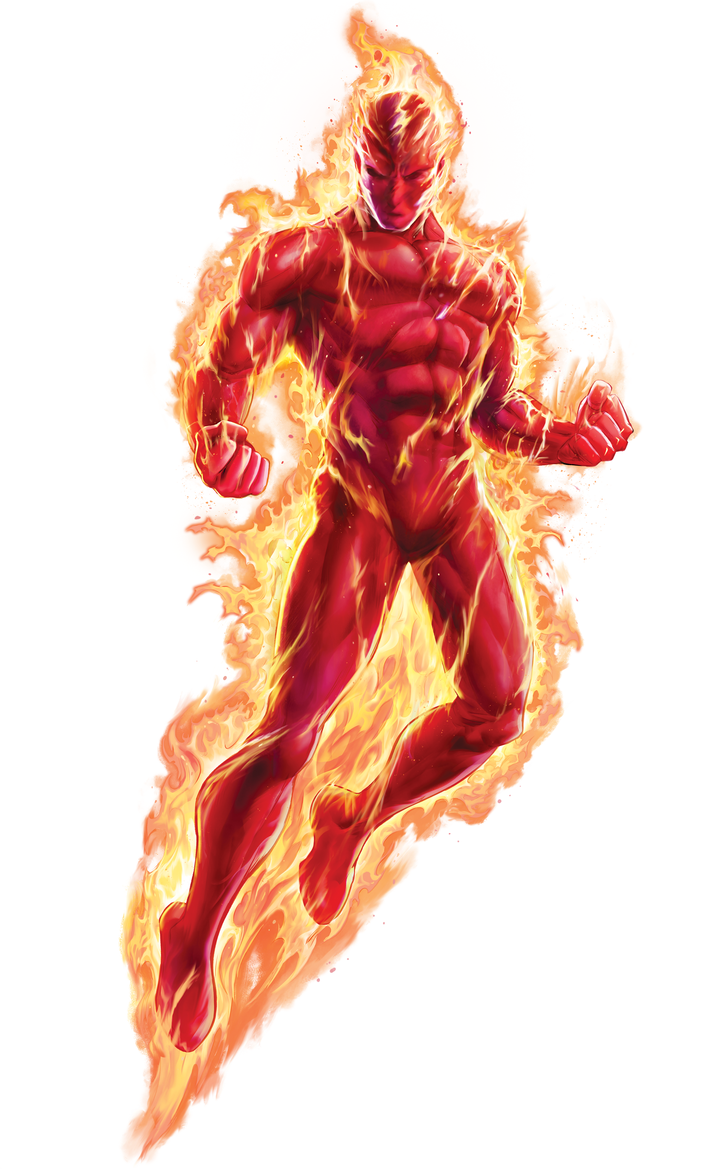
Ultron built his synthezoid assassin out of a body that was already a legend. When the Vision debuted in Avengers #57 (1968), later accounts established that Ultron had reworked the android frame of Jim Hammond, the original Human Torch who had headlined Marvel Comics #1 (1939) as the company's first hero of all.
Onto that borrowed frame Ultron layered the recorded brain patterns of the fallen Wonder Man, which explains a riddle baked into the character from the start: a brand-new machine who arrived carrying another man's memories, another man's grief, and another man's capacity to love.
One problem nagged at readers for years, because Hammond himself eventually returned to active life, and two living heroes cannot occupy a single body. Avengers Forever #8 (1999) resolved it: Immortus turned the Forever Crystal on the Torch's history and split that history in two, yielding identical androids — one for Ultron to remake, and one who remained Jim Hammond.
Why It's Obscure
The Avenger who wonders whether he is his own man is, quite literally, half of a man who already existed.
Gallery
Art of the character — no AI imagery, nothing mislabeled.
Sources
Every claim above is verified against at least two of these independent sources.
Bullpen Bulletins
- Vision is made from the spare parts of Marvel's first superhero — ScreenRantExplains Ultron's use of the Torch's body and Immortus splitting the timeline with the Forever Crystal so both androids could exist.
- Avengers Forever #8 — detailed issue recapWalks through the Forever Crystal revelation panel by panel, including the two Torches and Immortus's manipulation of the Vision.
- Immortus — WikipediaConfirms Immortus was partially responsible for the Vision's creation by producing the temporal copy of the original Human Torch that Ultron used.