Today's Fact
Checked against independent sources — the issues are cited below.
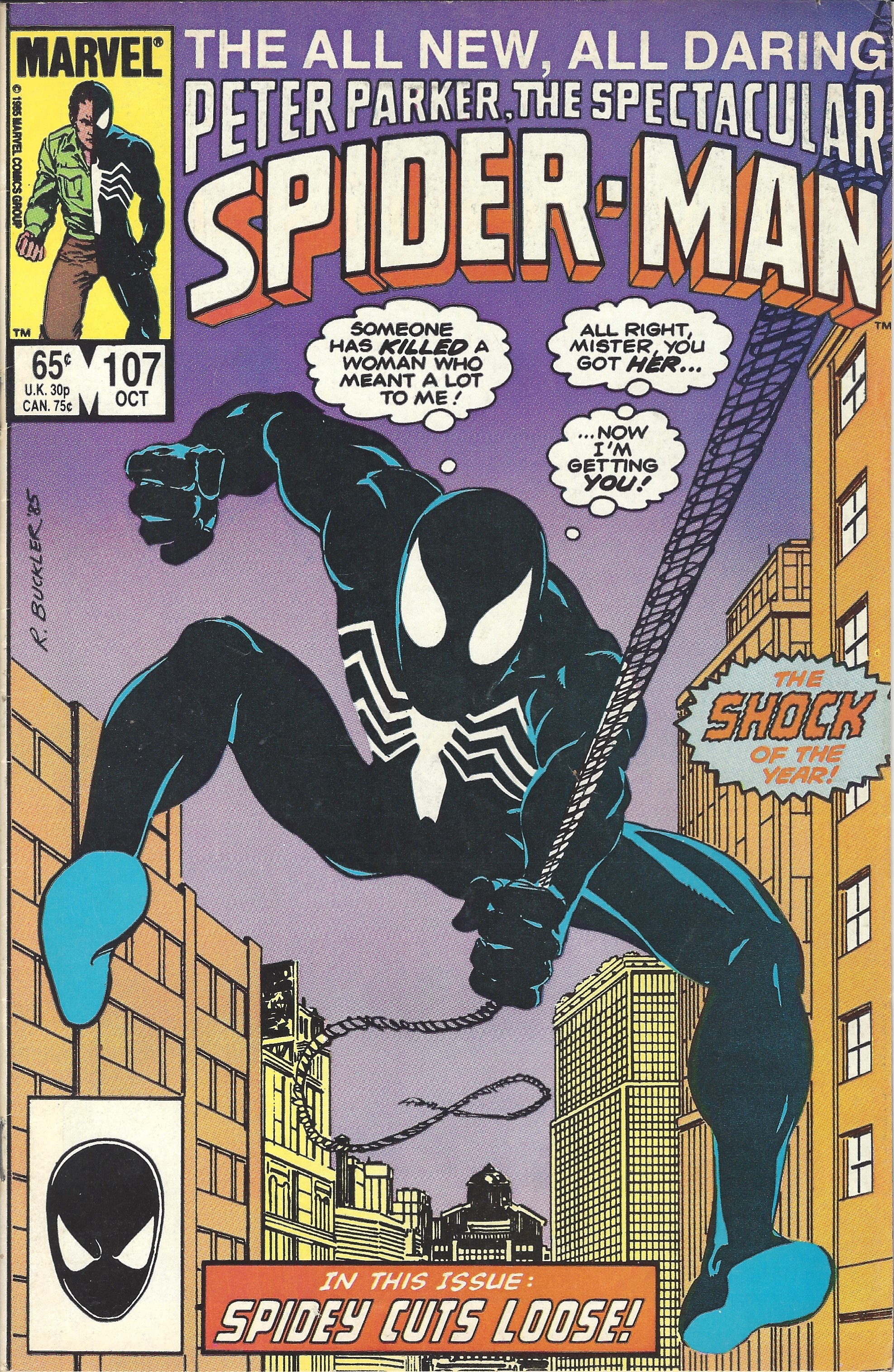
Before the symbiote, Eddie Brock was a Daily Globe reporter sitting on the story of the decade: exclusive interviews with the masked killer called the Sin-Eater, whose spree had opened with the murder of police captain Jean DeWolff in Peter Parker, The Spectacular Spider-Man #107 (1985). Brock shielded his source's name until pressure forced him to print it — Emil Gregg.
Gregg was no killer. He was the neighbour of detective Stan Carter, the real Sin-Eater, and through a thin apartment wall he had absorbed Carter's taped confessions night after night until his own mind filed them as memories. Gregg was a compulsive confessor: a man who sincerely believed another man's murders were his own, and said so, at length, to a reporter.
The same day Brock's naming of Gregg sold out the edition, Spider-Man unmasked Carter as the true Sin-Eater. Brock was fired from the Globe in disgrace, his marriage collapsed, and he fixed the blame on the wall-crawler who had merely caught the right man — the grudge that walked him into a church in Amazing Spider-Man #300 (1988) and out again as Venom.
Why It's Obscure
Venom's origin runs through a newsroom, a thin wall, and a source who confessed to crimes he only overheard.
Gallery
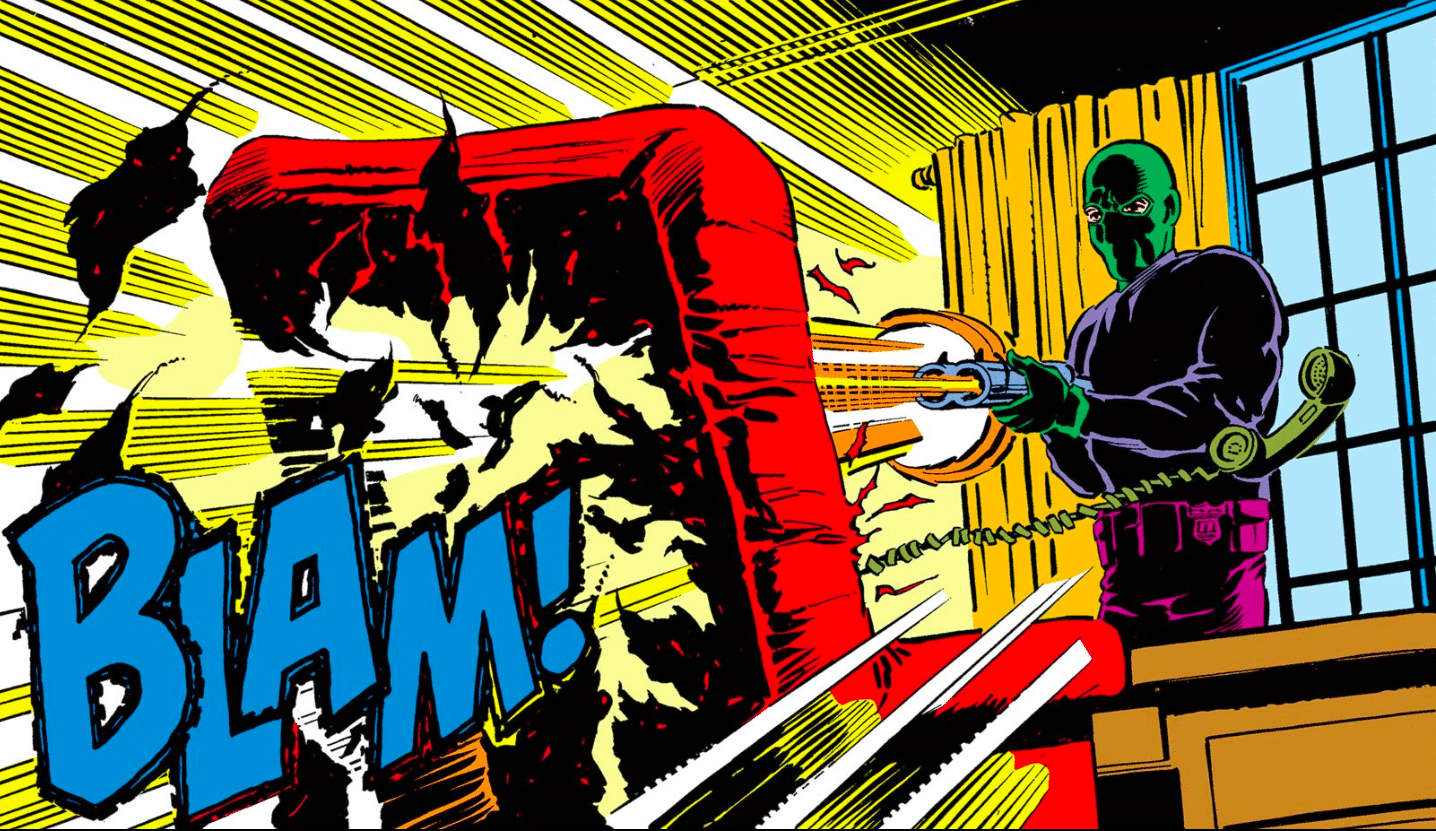
Comic art of Venom and the figures named in today's fact.

Sources
Every claim above checks out against at least two of these independent sources.
Bullpen Bulletins
- Sin-Eater — Comic VineComic Vine's record: Emil Gregg the compulsive confessor heard Stan Carter's confessions through the wall, gave Brock his false Sin-Eater interviews, and Brock was exposed and fired when Spider-Man caught the real killer.
- Spider-Tracer: Legacy of Sin — Spider-Man CrawlspaceThe Crawlspace history: Gregg convincing himself he was the Sin-Eater from Carter's recordings, Brock's humiliation when the true killer was caught, and the road from that disgrace to Venom.