Today's Fact
Checked against independent sources — the issues are cited below.
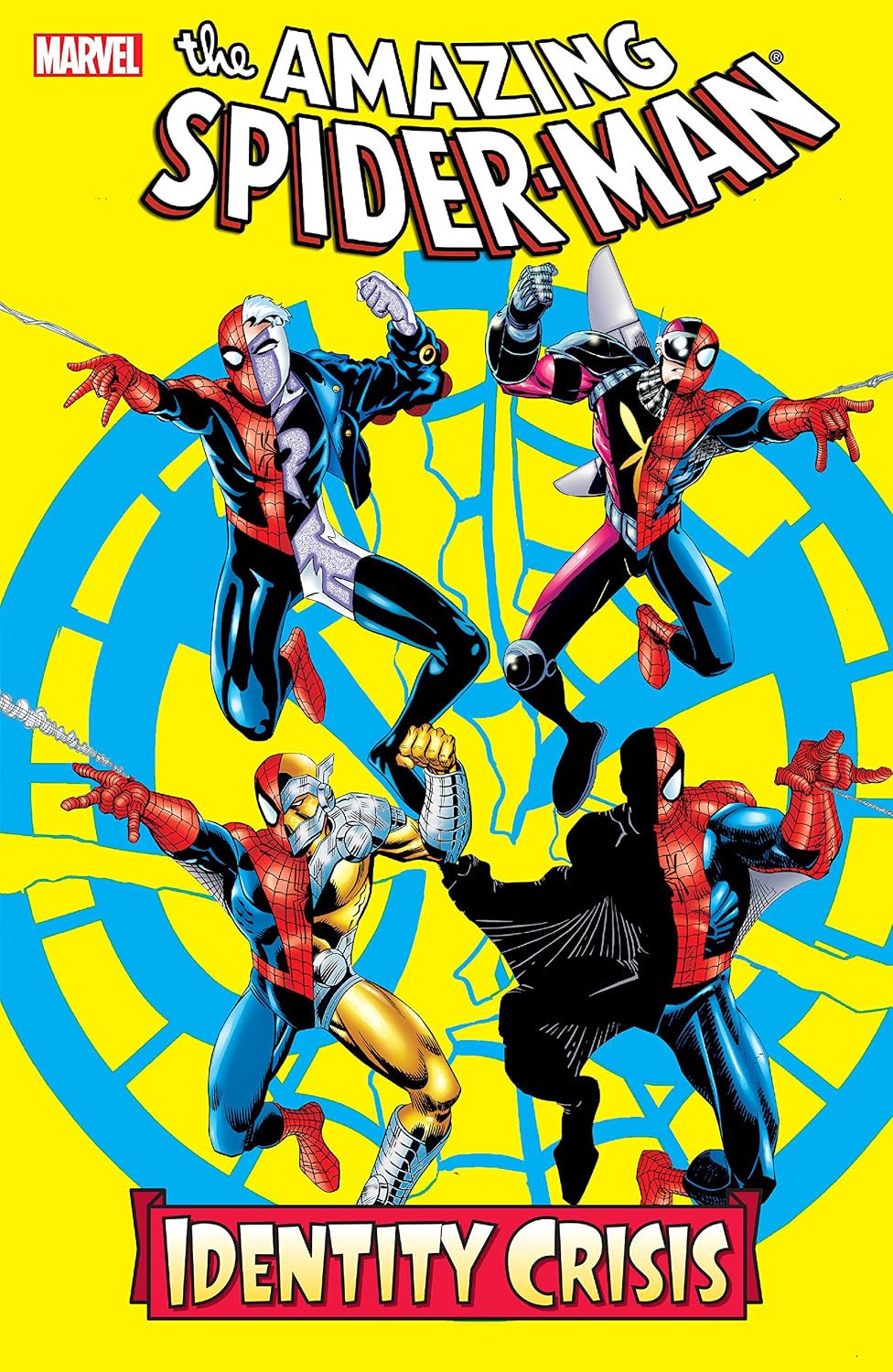
In the 1998 storyline Identity Crisis, Norman Osborn hires the Trapster to murder small-time criminal Joey Z with a lungful of synthetic webbing, frames Spider-Man for it, and puts a five-million-dollar bounty on the webslinger's head. Peter Parker's response was not to hide. Across The Amazing Spider-Man #434–#435, Sensational Spider-Man #27–#28, Peter Parker: Spider-Man #91–#92 and Spectacular Spider-Man #257–#258, he kept working the case in four new costumes, each built around one slice of himself.
Two of the stand-ins played hero. Prodigy was the gleaming ideal — bulletproof costume, public smile, a fake nose and make-up so nobody could match the face to Peter Parker. The Hornet was the gadgeteer, flying on a jetpack built by the reformed Prowler, Hobie Brown, until the Vulture recognised the wisecracks mid-fight and blew that identity on the spot. The other two went undercover as criminals: Ricochet, a leather-jacketed acrobat for hire who talked like a crook, and Dusk, a shadow-merging figure in a suit Peter had picked up in the Negative Zone.
It was Dusk who finished the job, befriending the Trapster, saving his life, and coaxing out the truth about Osborn's frame-up until the Trapster confessed and Spider-Man's name was cleared. Peter retired all four identities the moment he could wear the webs again — but Marvel did not. Within the year the abandoned names and gear were picked up by four teenagers and relaunched as the team called the Slingers, making Identity Crisis the rare identity crisis that left four spare heroes lying around for somebody else.
Why It's Obscure
One wanted poster produced a surplus: clear the hero, and the disguises he invented to save himself refuse to stay retired.
Gallery
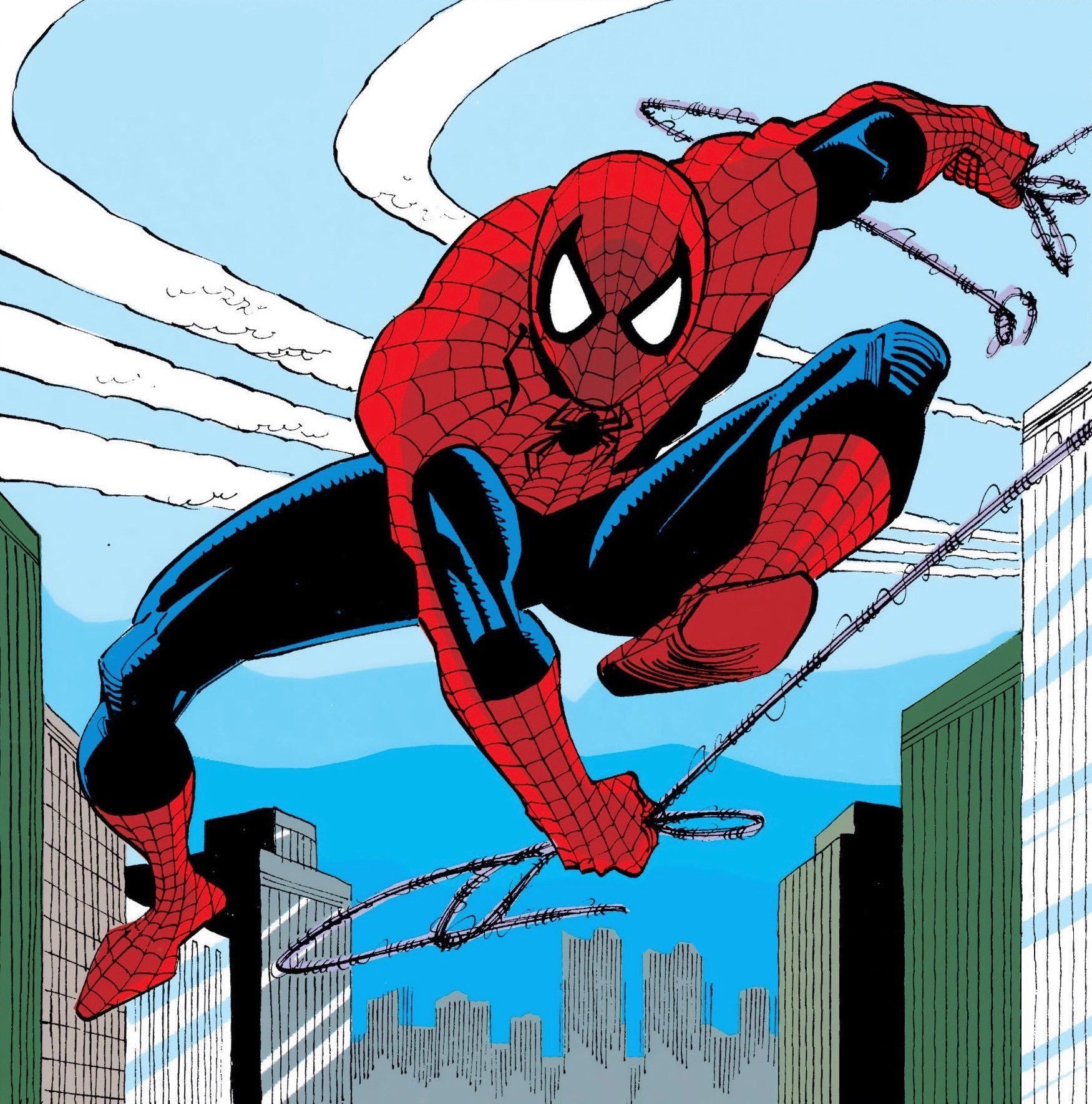
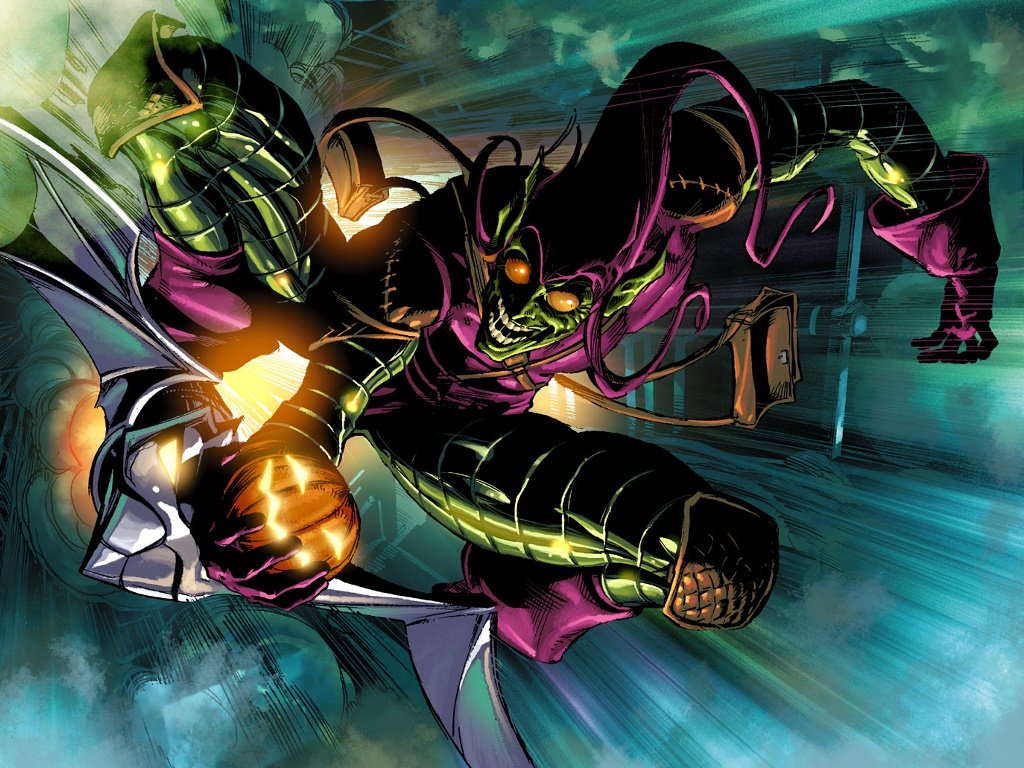
Comic art of Spider-Man and the figures named in today's fact.
Sources
Every claim above checks out against at least two of these independent sources.
Bullpen Bulletins
- Spider-Man's Identity Crisis Shows Why Peter Parker Is Marvel's Ultimate Hero — CBRCBR's breakdown of the 1998 arc: Osborn and the Trapster frame Spider-Man for Joey Z's murder, and Peter answers with Ricochet, the Hornet, Dusk and Prodigy across the four titles.
- Spider-Man: Identity Crisis — Comic VineArc record: the five-million bounty, the four identities and what each represented, Dusk extracting the Trapster's confession, and the identities' revival as the Slingers.
- Spider-Man Actually Tried FOUR Other Superhero Identities — Screen RantScreen Rant's account of the four personas, the Prowler-built Hornet jetpack, and the Negative Zone origin of the Dusk suit.