Today's Fact
Checked against independent sources — the issues are cited below.
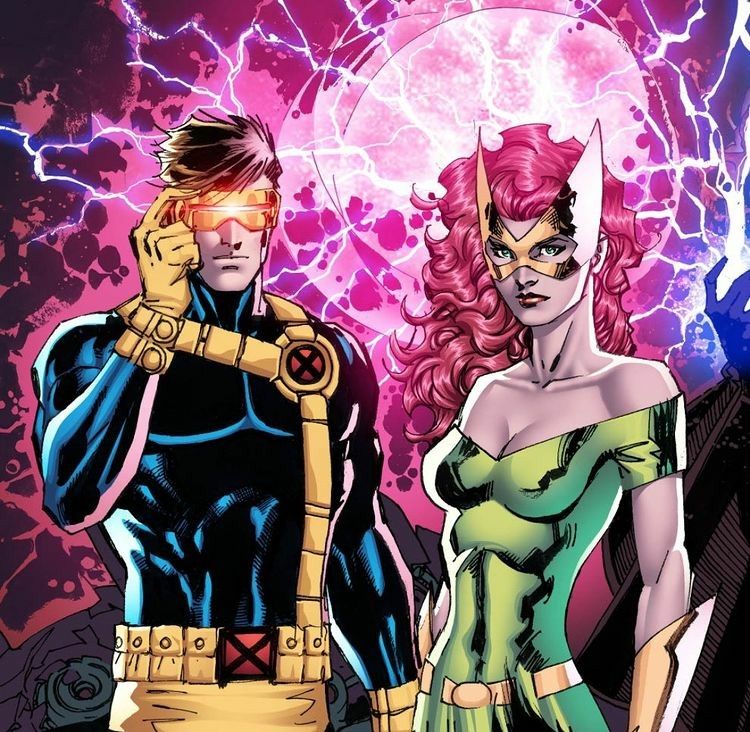
The strangest loop in Nathaniel Essex’s life closed in The Further Adventures of Cyclops and Phoenix #1–4 (1996). Sent back to London in 1859 to stop Apocalypse, Scott Summers and Jean Grey confronted the young Essex — and Jean showed him enough of the future to nearly turn him from his experiments and back toward his pregnant wife Rebecca and his family.
It did not hold. Rebecca discovered the captive test subjects in his laboratory, freed them, and died cursing him with the word he would take as his name. Essex accepted Apocalypse’s transformation — but he carried the two visitors with him for the rest of his unnaturally long life. Marvel’s own history of the character states it plainly: that encounter sparked his lifelong fascination with Cyclops and Jean Grey.
So the cloning programs, the orphanage surveillance and the engineered bloodlines of the next century were not random fixations. They were a Victorian scientist chasing the two people who had once stepped out of time, tried to save his soul, and failed by inches.
Why It's Obscure
He spent 140 years studying the two people who tried to save him.
Gallery
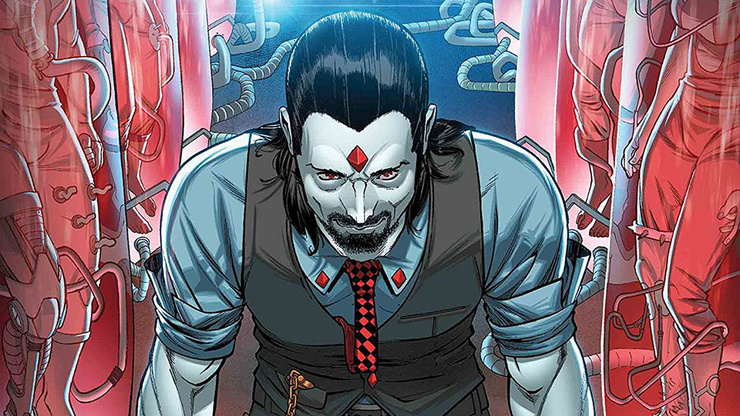
Comic art of Mr. Sinister and the figures named in today's fact.

Sources
Every claim above checks out against at least two of these independent sources.
Bullpen Bulletins
- Meet Mister Sinister — Marvel.comMarvel’s official history: in Further Adventures of Cyclops and Phoenix (1996), Essex’s encounter with time-traveling Cyclops and Jean Grey sparked his lifelong fascination with both.
- The Further Adventures of Cyclops and Phoenix — WikipediaSeries summary confirming the 1859 setting, Essex’s transformation, and the 1996 Milligan and Leon creative team.
- X-amining The Further Adventures of Cyclops & Phoenix — Gentlemen of LeisureIssue-by-issue examination noting that Scott and Jean’s interactions with Essex are the source of his longtime obsession with their families.