Today's Fact
Verified against independent sources. Issues cited below.
Every villain dreams of an army of clones. Nathaniel Essex dreamed of a census. In Uncanny X-Men Vol. 2 #1 (2011), by Kieron Gillen and Carlos Pacheco, Sinister hijacks the head of San Francisco's Dreaming Celestial and grows an instant city district populated entirely by clones of himself — a "Sinister system" in which every citizen, laborer, and soldier is him, thinking his thoughts, ready to receive his consciousness if any single body falls. The X-Men burn it down. He treats this as a pilot episode.
The full series was underground. Beneath Anchorage, Alaska, in caverns seized from the Moloids, Sinister builds Sinister London — revealed in Uncanny X-Men Vol. 2 #14 (2012): a complete Victorian civilization of himself, with cobbled streets, royal cow farms, a castle, battalions of cloned Marauders, and Creation Engines that manufacture fresh Sinisters on demand. His own contingency planning is the most Sinister detail of all: if the engines ever break down, half the population automatically becomes female so the species can reproduce the old-fashioned way — until repairs are complete, whereupon everyone changes back.
A perfect society of one mind produced exactly one dissident: a reporter-clone who concluded that a predestined world is a prison and plotted to assassinate Sinister Prime — himself, technically. The end came from above: when the Phoenix Five descended on Sinister London during Avengers vs. X-Men, Sinister siphoned Phoenix fire into an army of Madelyne Pryor clones before Emma Frost persuaded the Phoenix to simply incinerate the entire city and everyone in it. Sinister survived. A man with a city's worth of spare bodies usually does.
Why It's Obscure
Cloning a henchman is standard villainy. Cloning a functioning Victorian society — monarchy, press, and one attempted regicide included — is a Sinister exclusive.
Gallery
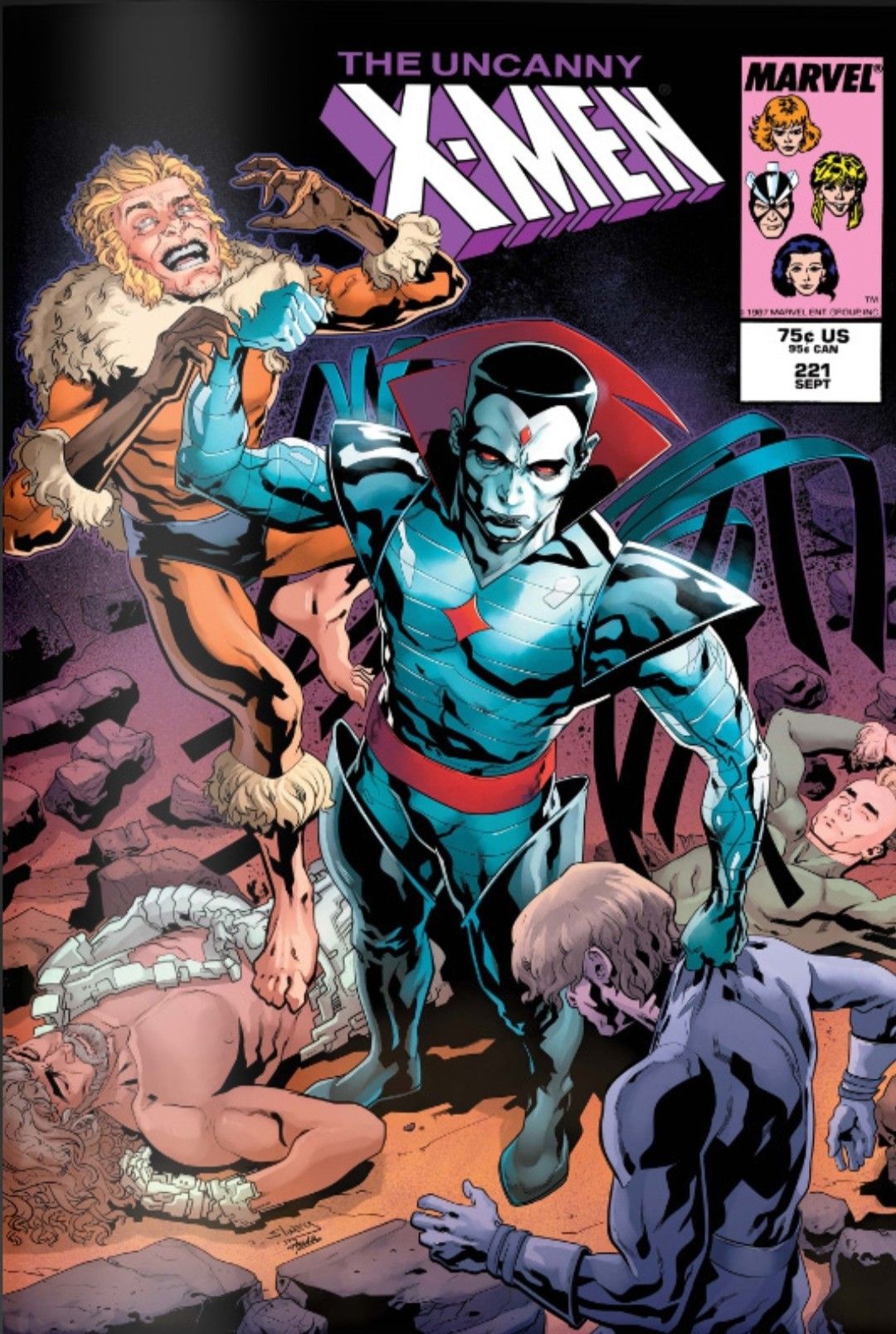
Comic art from the era and after — no AI imagery, nothing mislabeled.


Sources
Every claim above is verified against at least two of these independent sources.
Bullpen Bulletins
- Meet Mister Sinister — Marvel.comMarvel's official explainer: Sinister began transferring his consciousness between bodies and created a small city populated by his clones in Uncanny X-Men (2011) #1, then recreated 19th-century London under Alaska by similar means.
- Sinister London — Marvel DatabaseSinister London was built under Anchorage, Alaska, using the Dreaming Celestial's stolen energy, populated entirely by clones who all think the same way — and was wiped out by the Phoenix Five, its Creation Engines destroyed.
- Sinister Forces Plague the Phoenix Five — CBRGillen on Uncanny X-Men #14: Sinister colonized the Moloid caverns and created an enormous London beneath the surface — a sprawling subterranean civilization far beyond the model city he'd made in San Francisco.