Today's Fact
Verified against independent sources. Issues cited below.
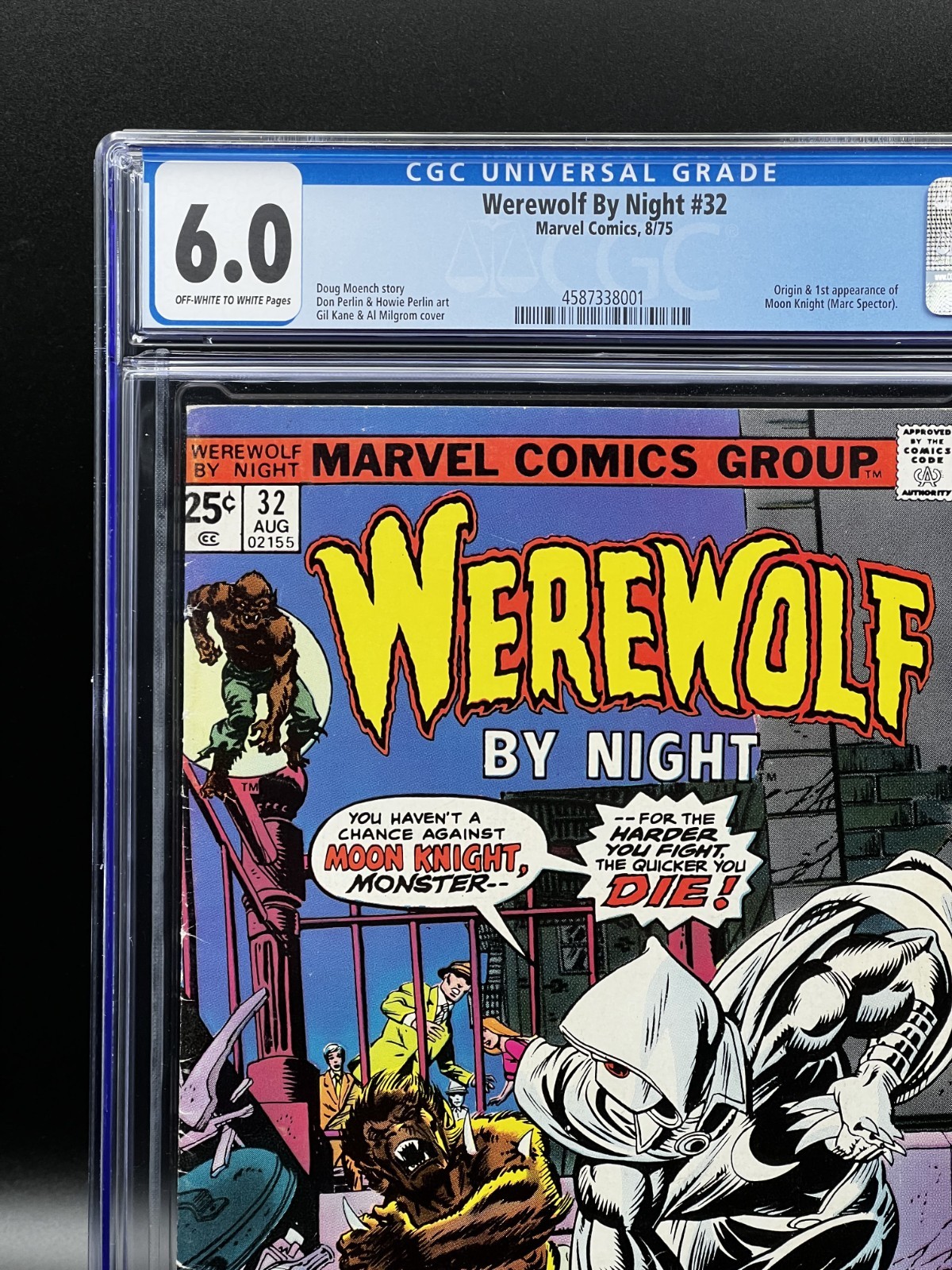
Moon Knight did not debut in his own comic, or as a hero. He arrived in Werewolf by Night Vol. 1 #32 (August 1975) as the villain of the month: a mercenary named Marc Spector, hired by a shadowy board of businessmen called the Committee to hunt down Jack Russell, a young man cursed to turn into a werewolf under the full moon.
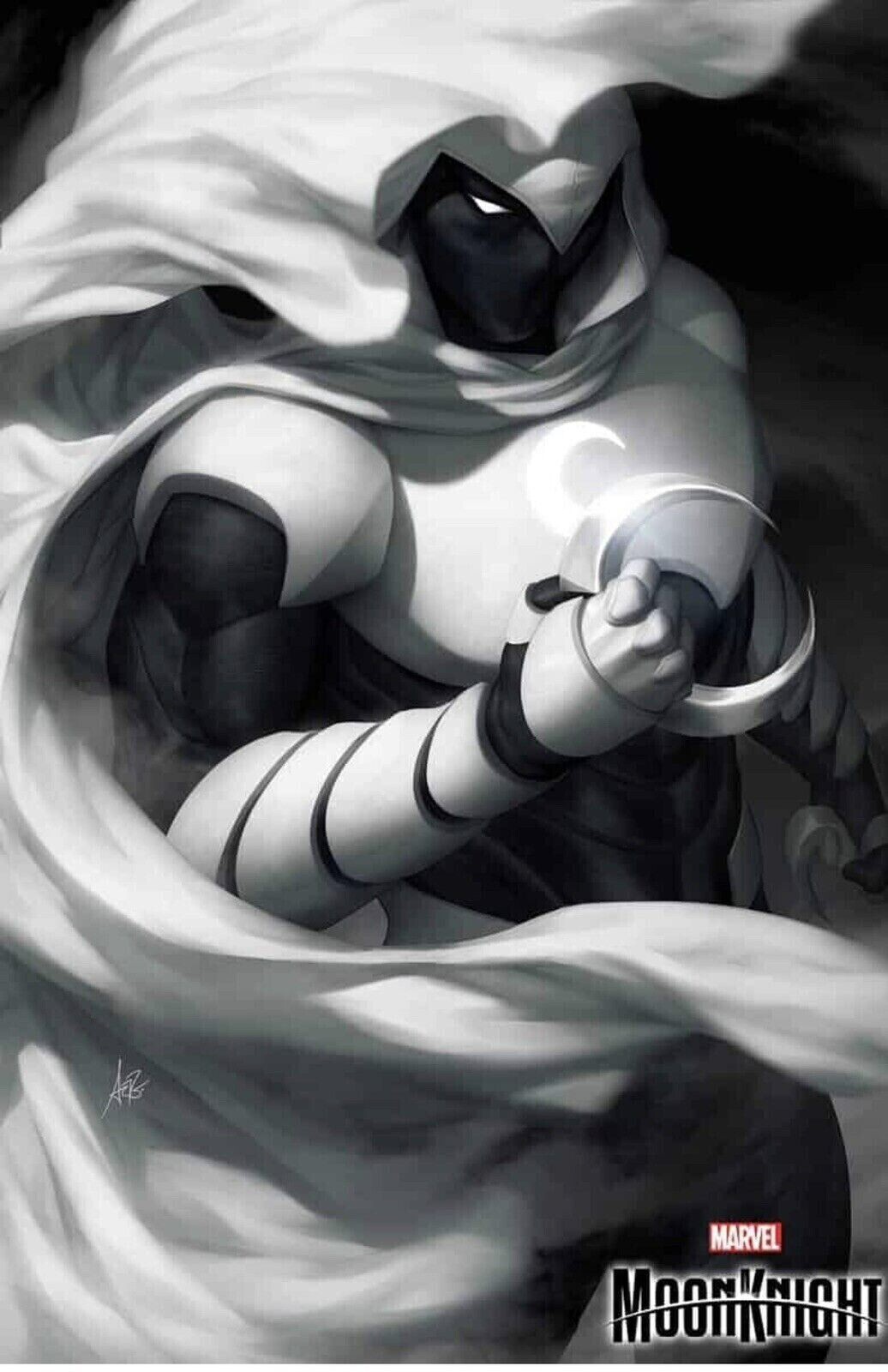
The employers handled branding as well as payroll. The Committee supplied the white-and-silver costume, the crescent insignia, and a kit of silver weaponry — silver being the one metal a werewolf cannot shrug off — and they supplied the name Moon Knight to go with it. Even the fee was itemised: ten thousand dollars for delivering the werewolf alive, so the Committee could cage him and use him as a weapon of their own.
Spector did the job, beat the werewolf senseless, and hauled Russell in — and then the clients talked too much. Hearing the Committee outline exactly how they meant to deploy their prize, the mercenary switched sides mid-transaction, smashed the cage open, and helped his former target tear the whole operation apart. Marvel's most haunted hero began his career by refunding a hit with violence.
Why It's Obscure
A horror comic, a corporate hit squad, and a mercenary who quit the job at the worst possible moment for his employers.
Gallery
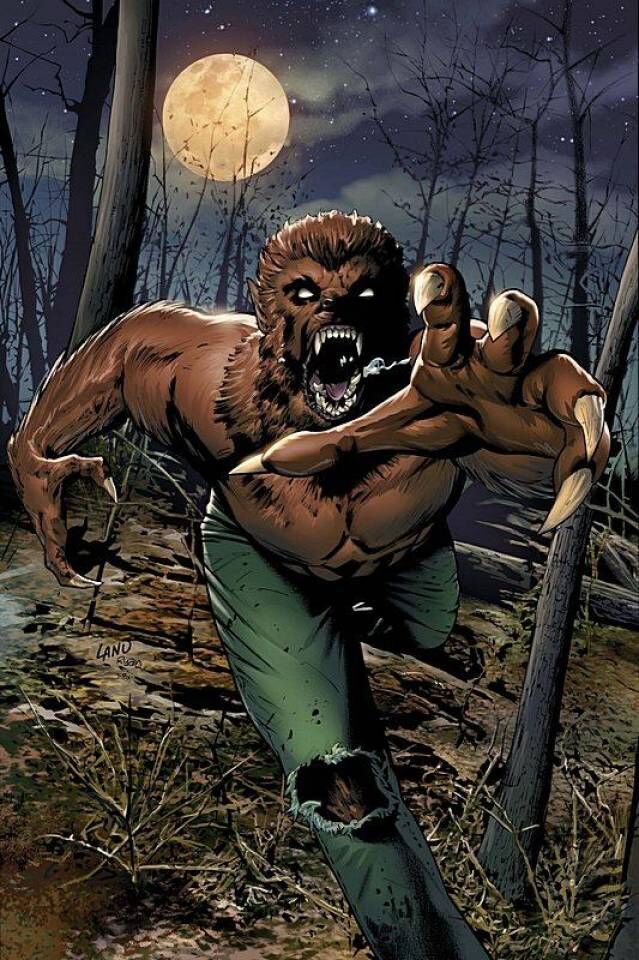
Comic art of the character.
Sources
Every claim above is verified against at least two of these independent sources.
Bullpen Bulletins
- First Appearances: Moon Knight — Marvel.comMarvel's own retrospective on Werewolf by Night #32: the Committee presents Spector with the Moon Knight costume, the silver-covered weapons, and the job of delivering the werewolf for cash.
- Moon Knight — WikipediaRecords the 1975 debut as a mercenary antagonist hired by the Committee, with Doug Moench's account of designing a silver-weaponed, moon-themed hunter for a werewolf hero.
- Werewolf by Night #32 & #33 — Not a Hoax! Not a Dream!Issue-by-issue review noting the silver-lined cesta gauntlets and crescent darts, the $10,000 fee, and Spector freeing Russell once the Committee's plans were clear.