Today's Fact
Everybody pictures Galactus arriving in a ship — almost nobody pictures the ship itself: a Möbius strip the size of a solar system, built from a world he ate.
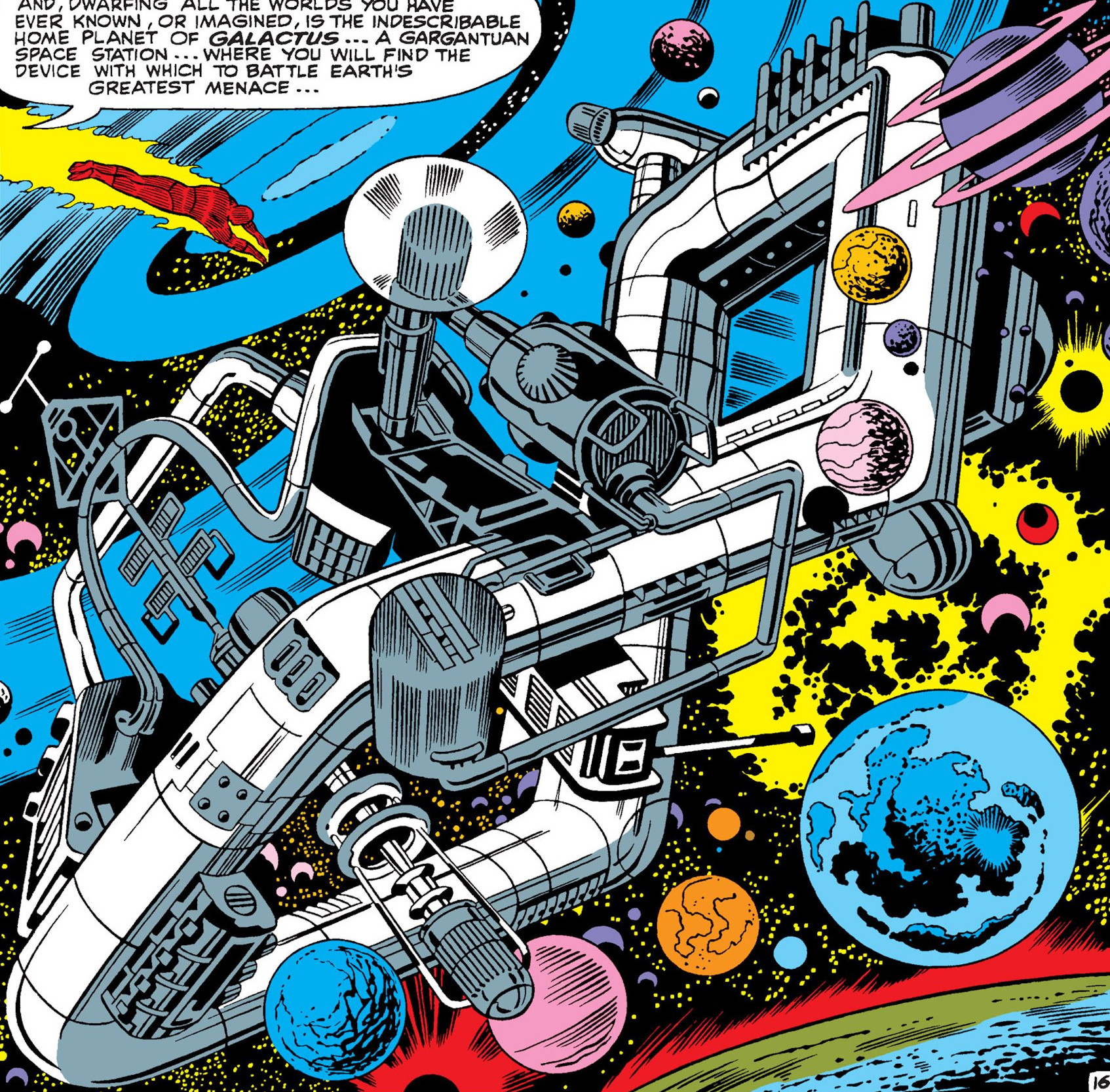
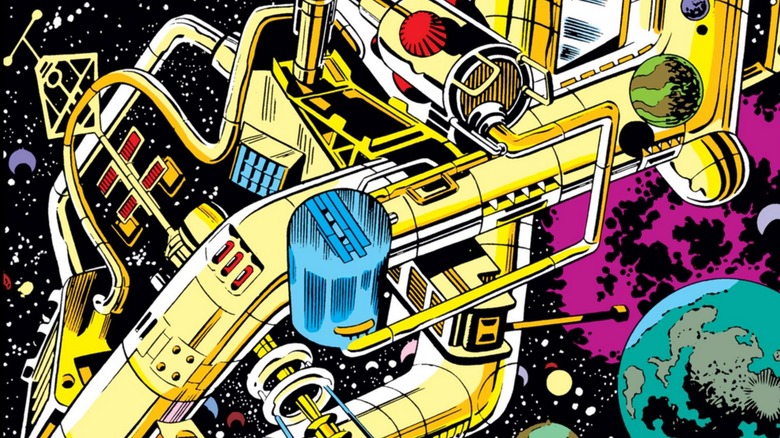
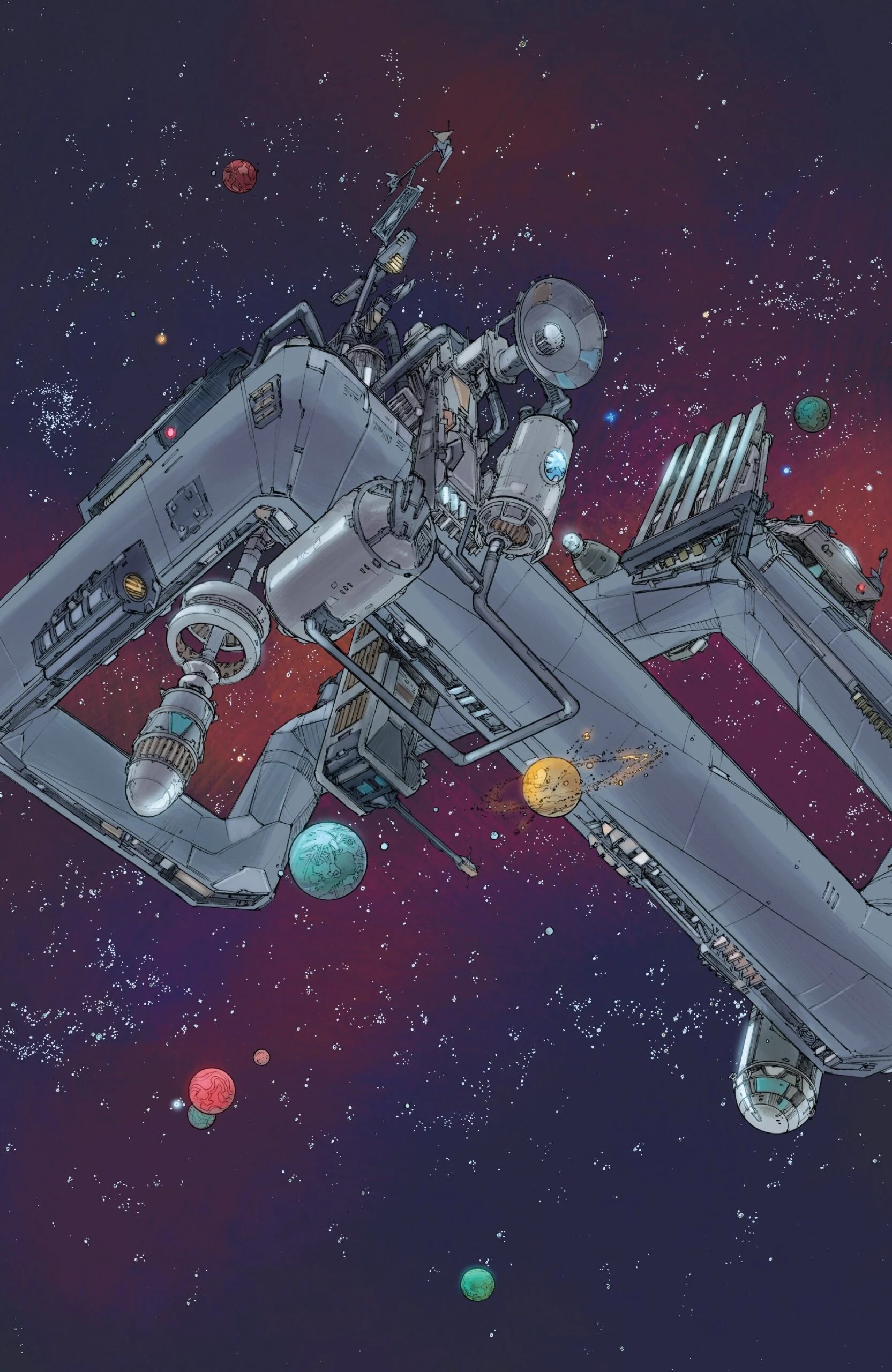
Galactus's home is Taa II, a Worldship shaped like a colossal Möbius strip and scaled to a solar system — so massive that whole planets, and even a star, are held captive in its gravitational pull. Reed Richards once speculated that Taa II might be the single greatest source of energy in the universe.
The raw material carries the darkest sentimentality in Marvel Comics: Galactus built Taa II from the remains of Archeopia, the very first planet his hunger ever consumed, and named the ship for Taa, his own lost homeworld from the universe that existed before this one. (Fantastic Four Vol. 1 #210, 1979)
Construction took millennia, interrupted again and again by the hunger that forced its builder to stop and feed. The Fantastic Four first glimpsed the Worldship in Fantastic Four Vol. 1 #49 (1966), when the Watcher sent the Human Torch into it to fetch the Ultimate Nullifier — a burglar dispatched into a solar system to steal one small device.
Why It's Obscure
A Devourer with a flagship is standard space opera — the obscure part is that the flagship is a memorial, built out of his first victim and named after his dead world.
Gallery
Three views of Taa II across the decades: Kirby's original gargantuan station, the golden Worldship of the classic era, and its modern Ultimates-era return.
Sources
Every fact on this page was checked against at least two independent sources before publication.
Bullpen Bulletins
- Galactus' Worldship Taa II Explained — ScreenRantScreenRant's Taa II breakdown confirms the solar-system scale, the Möbius-strip design, the millennia-long construction, and that it was built from the raw materials of Archeopia, citing Fantastic Four #210.
- Worldship (Taa II) — Marvel Database (Hey Kids Comics mirror)The Worldship entry records Taa II as Galactus's solar-system-sized, Möbius strip-shaped home, engulfing the entire Archeopian system, with planets and a star held by its gravity.