Today's Fact
Checked against independent sources — the issues are cited below.
Alison Blaire first appeared in Uncanny X-Men #130 (February 1980), in the middle of the Dark Phoenix Saga — but she hadn’t been created for the X-Men at all. She began in 1978 as a cross-promotion between Casablanca Records and Marvel: on the model of the KISS comics, the label would produce an actual singer, a film partner would build a movie around her, and Marvel would publish the comic. The character was a multimedia franchise before she was a character.
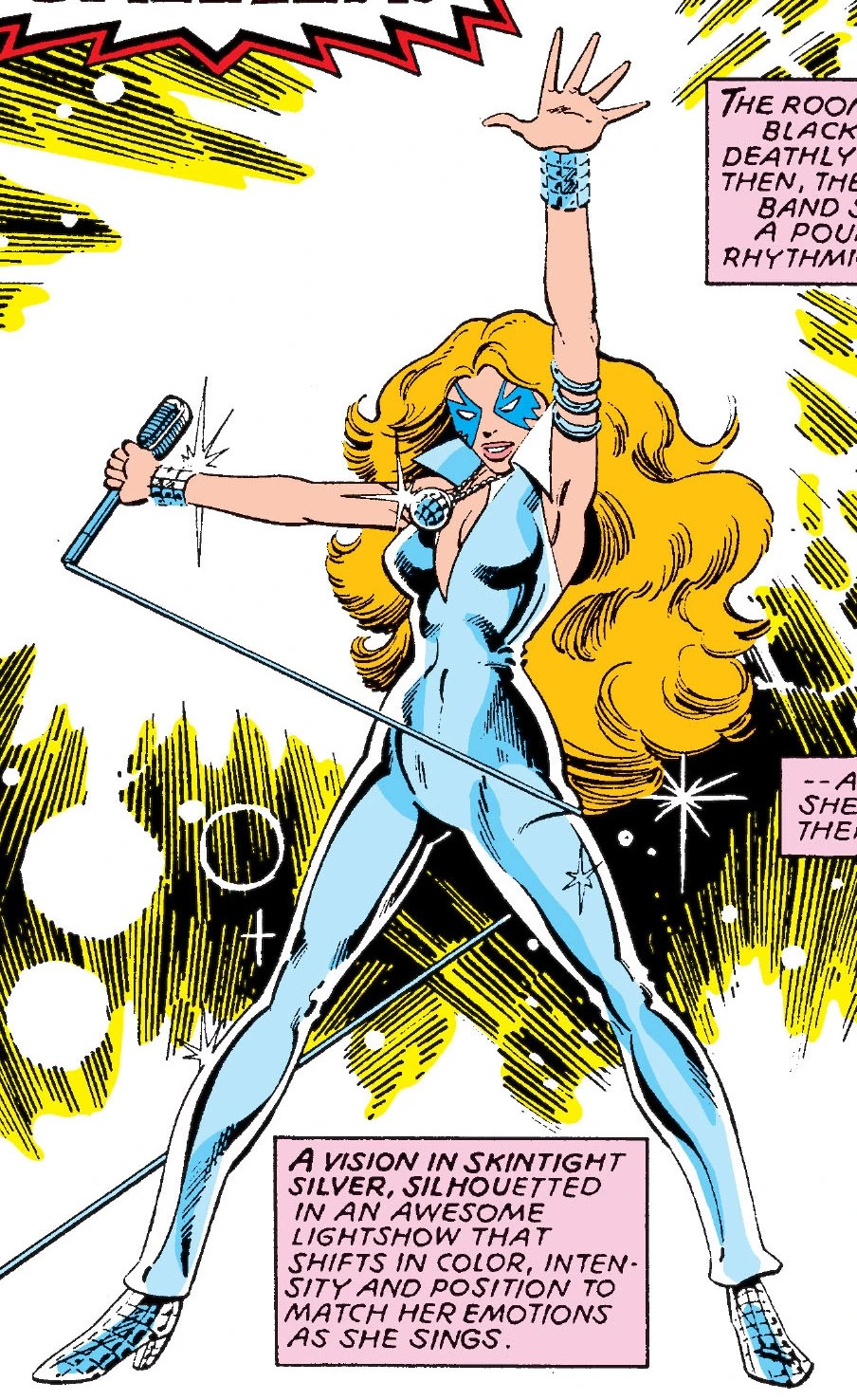
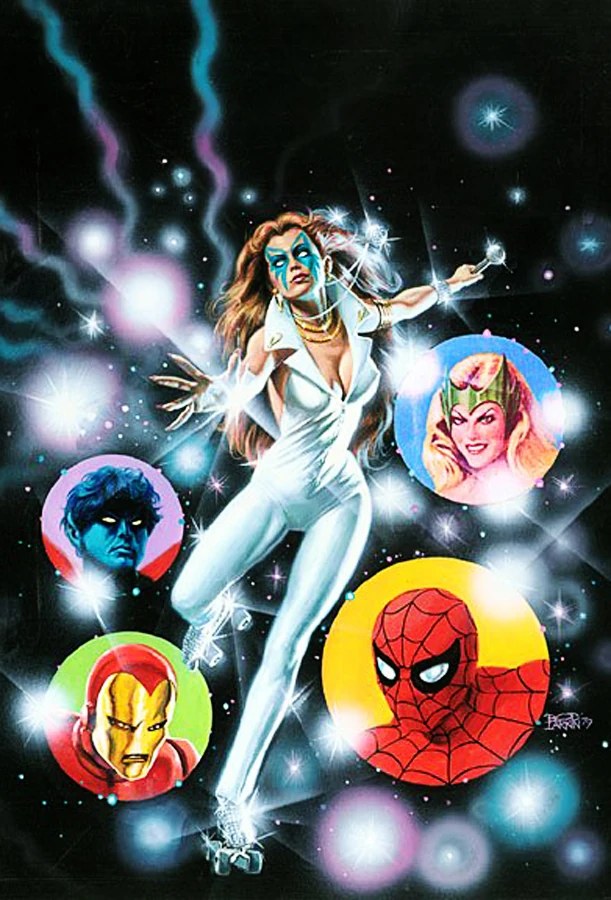
Working title: “The Disco Queen.” Her original power concept was forcing people to tell the truth; writer-editor Tom DeFalco suggested light-based powers instead — Alison converts sound vibration into beams of light and energy — and Roger Stern suggested the name Dazzler. Artist John Romita Jr. designed her on Grace Jones: buzzed hair, statuesque, skin-tight lamé — and roller skates. The film side later pushed for a Bo Derek look; then Casablanca, which held creative approval, backed out over finances, and by 1980 every tie-in was dead.
Marvel published her anyway. Dropped into the X-Men’s darkest saga as a disco singer who could turn a dance floor into a weapons system, Alison Blaire outlived the entire deal that created her: her own solo series ran 42 issues (1981–1986), and she has been an X-Man and a working musician ever since — the pop star who never had a record, still on stage decades later.
Why It's Obscure
She was designed to sell records for a real singer who never existed. The comic was the only part of the plan that survived.
Gallery
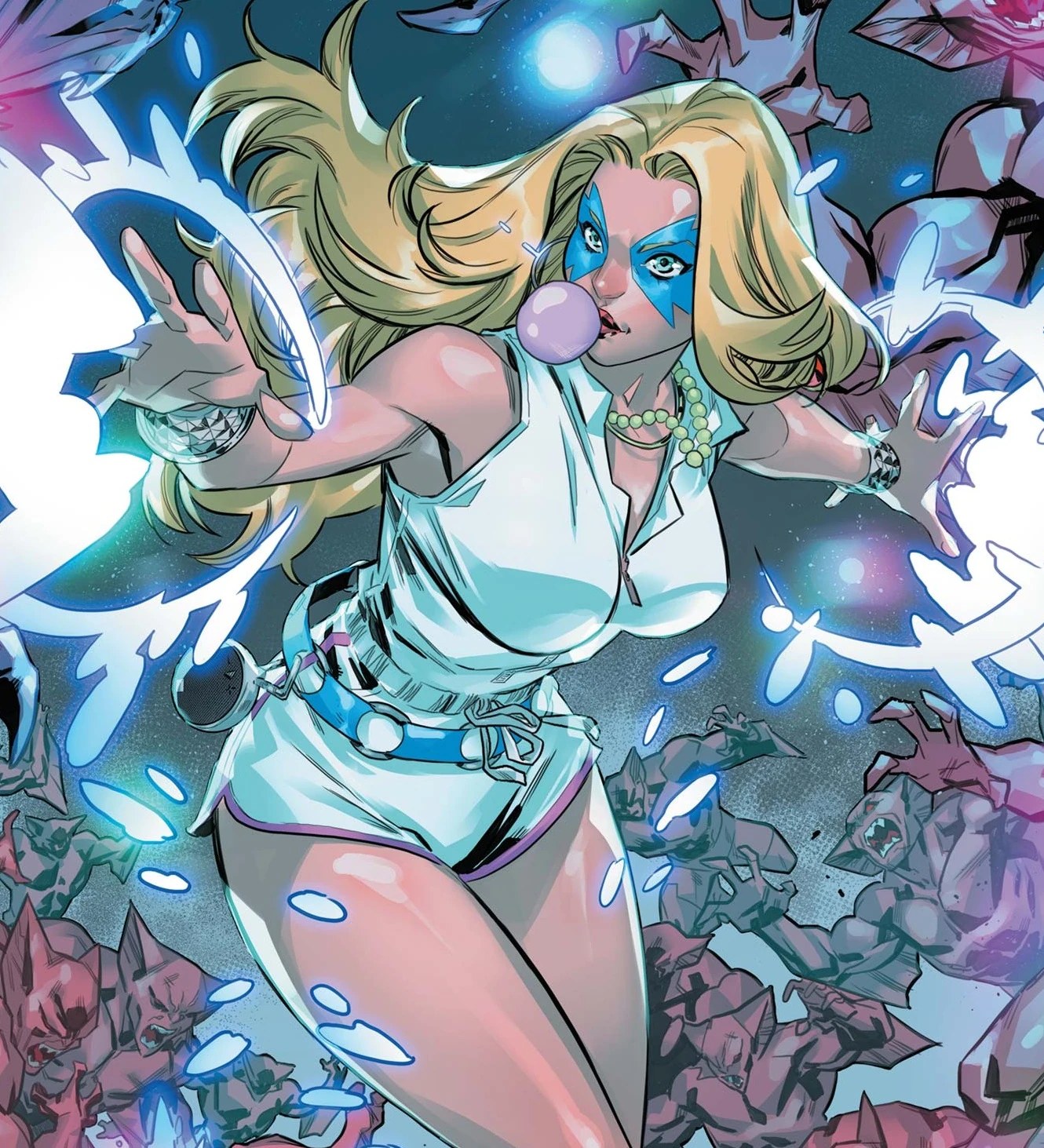
Comic art of Dazzler and the figures named in today's fact.
Sources
Every claim above checks out against at least two of these independent sources.
Bullpen Bulletins
- Didja Know: The Dazzling Dazzler — Marvel.comMarvel’s own retrospective: the Casablanca Records collaboration, the planned real-life singer and film, and the “Disco Queen” development years.
- Dazzler — WikipediaWikipedia’s account of the creation: DeFalco and Romita Jr., the Grace Jones design with roller skates, the proposed truth-telling power, and Casablanca’s withdrawal.
- Alison Blaire (Earth-616) — Marvel DatabaseThe Marvel Database biography confirms the Uncanny X-Men #130 (1980) debut and Alison’s sound-to-light powers.